







Why Operational Efficiency Is Becoming Every UAE Business's Competitive Advantage?
For years, businesses measured success by one number: growth. More customers. More employees. More revenue. More locations. While growth remains an important objective, today's business environment is changing the conversation.
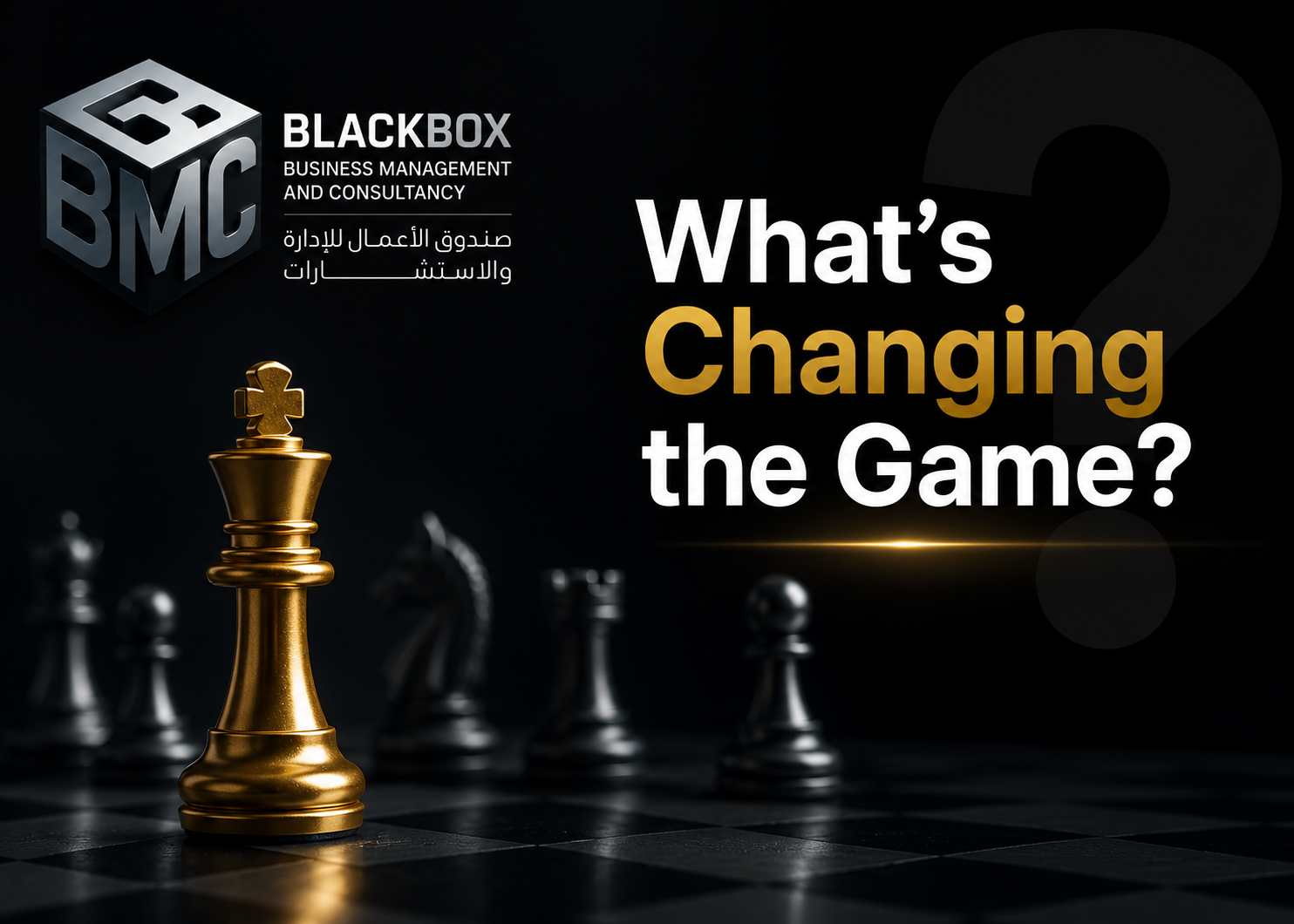
Everyone wants to grow.
But what if growth isn't the problem?
What if the biggest opportunity is hiding somewhere most businesses rarely look?
Sometimes the difference between businesses that struggle and those that consistently outperform isn't more customers, more employees, or bigger budgets.
It's something far less obvious.
We explored this in our latest article.
You might be surprised by what actually creates a lasting competitive advantage.
👇 Read the full article below.
For years, businesses measured success by one number: growth. More customers. More employees. More revenue. More locations. While growth remains an important objective, today's business environment is changing the conversation.
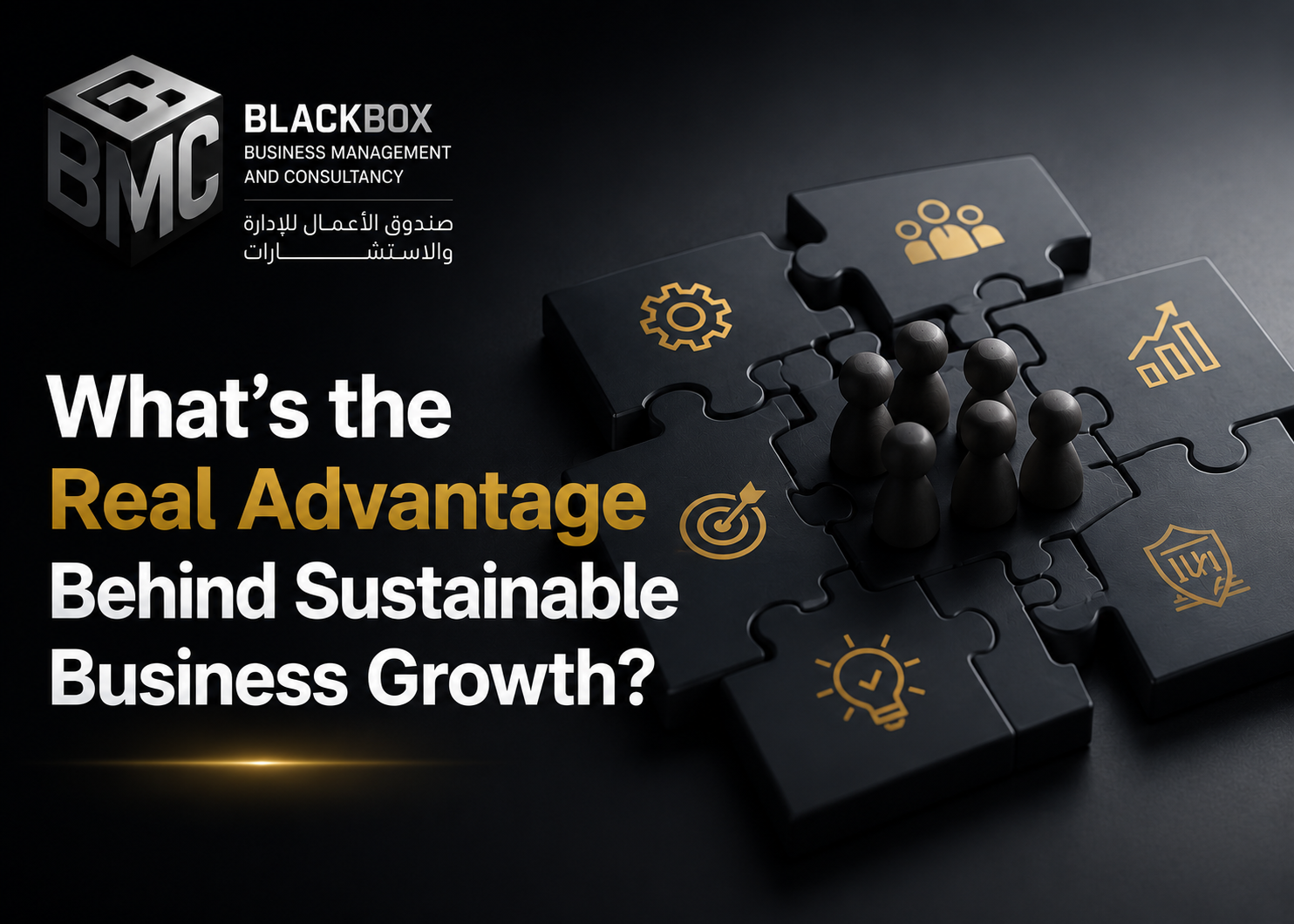
Across the UAE, organizations are discovering that sustainable growth is no longer determined solely by how quickly a business expands—it is increasingly defined by how efficiently it operates.
As operating costs rise, customer expectations evolve, and technology continues to reshape industries, operational efficiency has become one of the most significant competitive advantages a business can possess.
The companies that succeed over the next decade may not be those with the largest workforce or the biggest budgets. More likely, they will be the organizations that consistently eliminate waste, improve productivity, and make smarter decisions.
30-Min FREE Business Consultation
Efficiency Is About Creating More Value—Not Simply Cutting Costs
Operational efficiency is often misunderstood as cost reduction.
In reality, it is about maximizing the value generated from every resource available to the business.

An efficient business doesn't necessarily spend less. It spends better.
Instead of asking, "How can we reduce expenses?", successful organizations ask:
"How can we achieve better outcomes using the resources we already have?"
That subtle shift in thinking changes how businesses approach growth.
The Cost of Inefficiency Is Often Invisible
Innovate your business for less
Many organizations don't realize how much inefficiency costs until they begin measuring it.
Small delays accumulate.
Duplicate data entry becomes normal.
Approvals take longer than necessary.
Departments work in isolation.
Employees spend hours searching for documents or updating spreadsheets.
Individually, these issues appear minor.
Collectively, they consume valuable time, reduce employee productivity, slow customer service, and increase operating costs.
Operational inefficiency rarely appears as a single problem. Instead, it quietly affects every part of the organization.
Technology Alone Is Not the Answer
Digital transformation has become a priority for many businesses operating in the UAE.
However, purchasing software does not automatically create efficiency.
Technology should improve existing processes—not automate inefficient ones.
Before implementing any new system, organizations should first evaluate:
- Which processes create bottlenecks?
- Which tasks are repetitive?
- Where do delays occur most frequently?
- What information is difficult to access?
- Which decisions rely on incomplete data?
Only then should technology be introduced to simplify and standardize operations.
This is why successful digital transformation is often as much about process improvement as it is about software implementation.
14-DAY FREE TRIAL: HR Management, Finance, Payroll, Vendor Management, Bill Management, Work Collaboration, QR Code Generation, Ordering System and many more..
Investing in People Is Equally Important
Even the most advanced technology depends on capable people.
Businesses that consistently outperform their competitors recognize that employee development is not an expense—it is an investment.
Continuous learning enables employees to adapt to changing regulations, adopt new technologies, improve customer service, and contribute innovative ideas.
Today, organizations have access to a wide range of professional learning platforms, including LinkedIn Learning, Coursera, Udemy Business, and industry-specific training providers. These platforms allow businesses to build skills without requiring extensive classroom-based programs.
The most resilient organizations create a culture where learning becomes part of everyday work rather than an occasional activity.
Hiring the Right Talent Creates Long-Term Efficiency
Operational efficiency begins long before an employee's first day.
Recruiting individuals with the right technical expertise, cultural fit, and growth mindset significantly reduces onboarding time, improves productivity, and strengthens employee retention.
Many organizations now work with specialist recruitment firms for executive search, technical hiring, overseas recruitment, and workforce planning rather than relying solely on traditional recruitment methods.
The objective is not simply to fill vacancies—it is to build teams capable of supporting long-term business objectives.
SolooScout Workforce Solutions
Data Is Becoming Every Leader's Most Valuable Asset
Business decisions are increasingly driven by real-time information rather than assumptions.
Organizations that integrate finance, sales, operations, human resources, procurement, and customer data into centralized platforms gain greater visibility into business performance.
Instead of waiting for monthly reports, leaders can identify trends, monitor key performance indicators, and respond to issues before they become larger problems.
This ability to make faster, evidence-based decisions is becoming one of the defining characteristics of high-performing organizations.
Operational Efficiency Requires an Ecosystem, Not a Single Solution
Improving efficiency rarely depends on one initiative.

It typically involves several interconnected areas working together:
- Well-designed business processes
- Appropriate technology
- Skilled employees
- Strategic recruitment
- Effective leadership
- Continuous improvement
- Strong governance
Organizations that treat these elements as part of a broader business ecosystem often achieve more sustainable results than those focusing on isolated improvements.
Building the Right Support Network
Supporting you from Start to Success!
One lesson consistently emerging across successful businesses is that organizations do not need to build every capability internally.
Many partner with technology providers to digitize operations, learning institutions to develop employee capabilities, recruitment specialists to access quality talent, and business consultants to improve strategy and execution.
Selecting the right partners should be based on expertise, industry experience, scalability, and long-term value—not simply cost.
The right partnership can accelerate transformation while allowing leadership teams to remain focused on their core business.
Looking Ahead
Operational efficiency is no longer just an operational objective—it has become a strategic advantage.
Businesses that simplify processes, invest in their people, leverage technology effectively, and build capable teams are positioning themselves to adapt more quickly to future market changes.
As the UAE continues its journey toward innovation and economic diversification, organizations that embrace continuous improvement will be better equipped to compete in an increasingly dynamic marketplace.
The question for business leaders is no longer whether operational efficiency matters.
It is where the next opportunity for improvement exists within their own organization.
Editor's Note
There is no universal solution for operational efficiency. Every business has different challenges, budgets, and objectives.
Some organizations may benefit from global technology platforms such as Microsoft, SAP, Oracle NetSuite, Zoho, Odoo, or Monday.com. Others may prioritize employee development through providers like LinkedIn Learning or Coursera, while some may partner with specialist recruitment firms to strengthen their workforce.
At Blackbox Business Management and Consultancy, we believe the greatest value comes from connecting these elements into one cohesive strategy. Through our business ecosystem—including Soloo Digital Solutions for business technology, Soloo Academy for professional learning and workforce development, and SolooScout Workforce Solutions for recruitment and talent acquisition—we help organizations implement practical solutions that support long-term operational excellence.
Regardless of which providers a business chooses, the objective remains the same: build a more efficient, capable, and resilient organization.
Blackbox Business Management Consultancy
More from Blackbox Business Management Consultancy
Business Trends Emerging ...
11 Jul 2026
UAE Immigration Update: This ...
23 Jun 2026
Building a Business That Is ...
11 Jul 2026Comments
Soloo Academy
Soloo Academy connects learners, professionals, and organizers through engaging online and in-person events, offering expert-led workshops, networking opportunities, skill-building sessions, and learning experiences for everyone.


Reply to Comment